Candy Cane Cookie Watercolor: A Stitch Review
First Impressions of the Watercolor Aesthetic
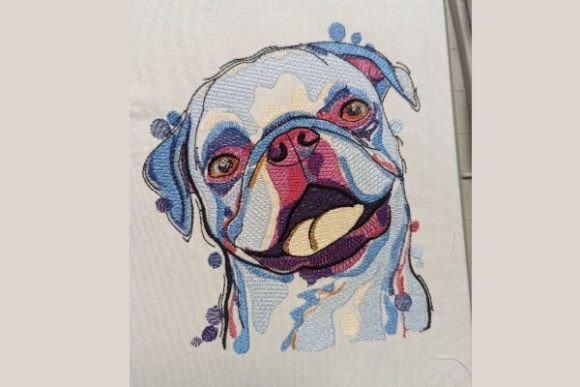
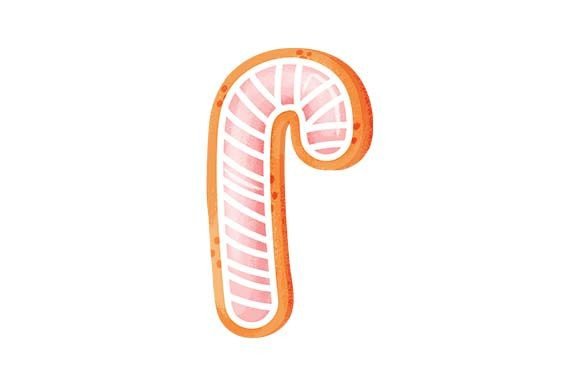
When evaluating a new machine embroidery design, my first question is always whether the digitizing respects the original art style. The Candy Cane Shaped Cookie - Watercolor file immediately stands out because it attempts something difficult in embroidery: replicating the soft, bleeding edges of watercolor paint using thread. As a designer who frequently reviews assets for Food Amp categories and holiday collections, I look for designs that feel organic rather than rigid. This specific design captures a nostalgic, hand-painted mood that differs significantly from standard cartoonish holiday clipart.
The visual personality here is gentle and artisanal. It does not rely on harsh outlines or solid blocks of color. Instead, it utilizes varying stitch density and layered fill stitch techniques to create depth and texture. For a creative entrepreneur or Etsy seller, this aesthetic signals "handmade" and "premium" rather than mass-produced. When I loaded this embroidery file into my software, the color mapping suggested a nuanced palette. It is not just red and white; it requires careful selection of thread colors to achieve that translucent, painted effect on fabric. This level of detail makes it an excellent candidate for boutique branding and high-end personalized gifts, but it also demands respect during the stitching process.
Real-World Application: Stitching for a Holiday Market Tote
To truly judge this design, I applied it to a real project scenario: creating a sample canvas tote bag design for an upcoming winter craft fair. My goal was to see if the Candy Cane Shaped Cookie - Watercolor could serve as a focal point that attracts customers without looking messy on a textured surface. Canvas is unforgiving; it can swallow fine details or make watercolor effects look muddy if the stabilizer choice is wrong.
I paired the design with a cream-colored natural canvas tote. Because watercolor-style embroidery relies on the fabric showing through the stitches to create highlights, I chose a lighter background rather than a dark one. The result was a sophisticated finished product that looked like a custom illustration. During a test run at a local maker's market preview, customers stopped to ask if the bag was screen-printed or hand-painted before realizing it was stitched. That confusion is actually a compliment in our industry. It means the digital embroidery file has successfully translated art into thread. For small shop owners, this design bridges the gap between digital assets and tangible merchandise effectively. It works beautifully as a standalone motif on a tote, but I can also envision it as part of a larger collection on kitchen linens or nursery decor where that soft, storybook quality is essential.
Fabric Compatibility and Technical Considerations
While the aesthetic is stunning, practical application requires caution. Not every substrate is suitable for a watercolor-style embroidery project. Based on my testing, here is where you should proceed carefully:
- Textured Fabrics: On heavy canvas or linen, the design shines. However, on highly textured terry cloth or plush fleece, the delicate shading gets lost. The stitch density required to mimic watercolor blending can sink into deep pile fabrics, ruining the visual gradient.
- Stretchy Knits: If you are planning sweatshirt embroidery or baby clothes, you must use adequate stabilizer. Watercolor designs often have variable density areas. On stretchy jersey, these shifts can cause puckering or distortion. I recommend a cut-away stabilizer and potentially a topping to keep the stitches crisp.
- Dark Fabrics: This design relies on light passing through the thread. On black or navy fabric, the watercolor effect will vanish unless you stitch a white underlay base first. Even then, the result will look more opaque and less like traditional watercolor. Test on scrap fabric before committing to a dark garment.
- Curved Surfaces: Hooping caps or curved items can distort the aspect ratio of a cookie shape. Ensure your hoop size allows for flat stitching, or adjust the design specifically for curved surfaces to maintain the roundness of the candy cane shape.
For commercial embroidery businesses taking custom orders, manage client expectations regarding washability. Watercolor-style fills are generally secure, but they are artistic interpretations. Always advise gentle washing for any handmade product featuring this level of detailed shading to preserve the thread sheen and color integrity.
Elevating Product Value and Brand Consistency
In the crowded marketplace of holiday goods, distinction drives sales. Using a generic vector candy cane might get the job done, but it rarely builds brand loyalty. The Candy Cane Shaped Cookie - Watercolor offers a unique selling proposition for Etsy sellers and apparel decorators. It evokes warmth, baking traditions, and childhood memories, which directly influences buyer engagement.
From a business perspective, this design enhances perceived value. When a customer sees a personalized gift featuring this soft, artistic rendering, they associate it with care and craftsmanship. It pairs exceptionally well with serif fonts or hand-lettering styles, reinforcing a cohesive brand identity. If you sell design assets or physical goods, consistency matters. This watercolor style allows you to create a matching suite of products—from embroidered patches to tea towels—that look like they belong to the same artist's collection. This recognition is vital for repeat business. Furthermore, for those creating printable mockups or digital previews, the intricate texture of this design photographs better than flat satin stitch designs, making your online listings pop in search results.
Essential Designer Notes Before You Stitch
Before adding this to your production queue or listing it in your shop, run through this practical checklist to ensure professional results:
- Verify Specifications: Always check the included documentation for exact stitch count, recommended hoop size, and file format compatibility. Do not assume standard sizing; watercolor designs vary greatly in complexity.
- Test on Scrap Fabric: Never stitch this directly onto a final product without a test run. Use the exact fabric and stabilizer combination you intend to sell. Inspect the registration of the color layers; watercolor effects fail if the alignment is off.
- Audit Thread Colors: Monitor how your specific machine interprets the color breaks. You may need to swap a bright red for a muted rose or a pure white for an ecru to match the watercolor vibe. Compare light and dark fabric backgrounds to see which best supports the design's transparency.
- Check Licensing: Confirm whether your license covers commercial embroidery for finished goods, digital resale, or both. Protect your business by understanding the terms before selling.
- Evaluate Small Details: Zoom in on the design in your software. Are there tiny running stitches that might break on coarse fabric? Is the satin stitch width appropriate for the scale? Adjust if necessary for your specific application.
- Mockup Realistically: When creating marketing materials, avoid over-saturated digital renders. Show the design as it actually stitches out. Customers trust realistic representations of custom apparel and home goods over perfect digital vectors.
Ultimately, the Candy Cane Shaped Cookie - Watercolor is a versatile asset for makers who prioritize aesthetics and emotion in their work. Whether you are crafting a baby embroidery keepsake or stocking a boutique shelf, this design brings a level of artistic maturity that elevates standard holiday fare. Treat it with technical care, and it will reward you with a finished product that feels genuinely special.