Watercolor Dog Pug: A Designer’s Stitch Review
As an embroidery designer who has digitized and tested countless animal motifs, I approach every new machine embroidery design with a healthy dose of skepticism. We have all downloaded files that look beautiful on screen but turn into thread nests or stiff patches once they hit the hoop. When evaluating the Watercolor Dog Pug design for potential use in my shop and client projects, I looked past the cute aesthetic to assess its structural integrity, stitch logic, and commercial viability. This review breaks down how this specific pug illustration performs when translated from pixels to thread, specifically for makers and business owners who need reliable results.
Capturing the Painterly Aesthetic in Thread
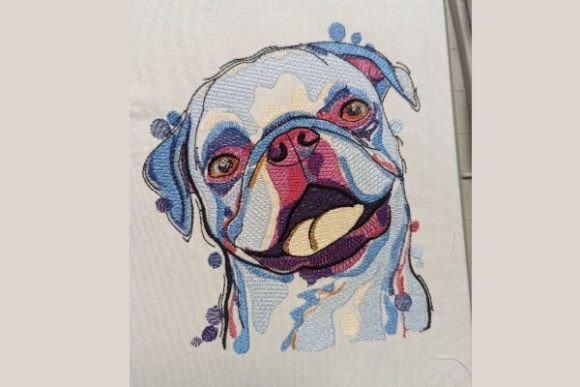
The immediate appeal of this Watercolor Dog Pug is its softness. Unlike traditional cartoon pugs with harsh black outlines and solid blocks of color, this design attempts to mimic the bleeding edges and gradient washes of actual watercolor paint. From a digitizing perspective, this is ambitious. To achieve this effect without creating a bulletproof vest on your garment, the design likely relies on a combination of loose fill stitch patterns and strategic running stitch detailing rather than dense satin borders.
In my initial assessment, the mood is undeniably whimsical and gentle. It lacks the aggressive density of vintage-style embroidery, which makes it a strong candidate for lighter weight fabrics. The visual personality feels modern and artistic, moving away from generic clip art and toward something that resembles a hand-painted illustration. For an Etsy seller or boutique owner, this distinction matters. Customers are currently gravitating toward items that feel bespoke and artistic rather than mass-produced. This design fits squarely into that "cottagecore" or "artistic pet lover" niche, making it highly relevant for current market trends.
Real-World Application: The Custom Tote Bag Test
To truly judge this embroidery file, I mentally placed it in a real production scenario: a natural canvas tote bag design intended as a personalized gift for a dog mom. Canvas is unforgiving; it shows every registration error and puckers easily if the tension is off. Because watercolor styles often require blending colors to create depth, I considered how the thread colors would interact on this textured surface.
For this project, the Watercolor Dog Pug works best when positioned centrally, allowing the negative space around the dog to breathe. On a tote bag, you want the design to read clearly from a distance. The softer edges of this watercolor style actually help here, as they prevent the design from looking like a sticker slapped onto fabric. However, because tote bags endure friction and washing, I would recommend verifying the stitch density. If the watercolor effect is achieved through very sparse stitching, the canvas grain might show through too much, making the image look unfinished. Conversely, if the digitizer compensated with excessive underlay, the bag could become stiff. In my experience testing similar styles, using a medium-weight cutaway stabilizer is non-negotiable here to maintain the soft drape while supporting the variable density of the watercolor shading.
Navigating Fabric Choices and Hoop Limitations
While this design shines on stable woven fabrics, it requires careful handling on other substrates. As a reviewer, I must highlight where caution is needed. Watercolor embroidery typically lacks the defining outline that anchors a design on stretchy materials. If you plan to use this for sweatshirt embroidery or custom apparel made of jersey knit, the lack of rigid boundaries can lead to distortion during wear.
I would advise against using this specific Watercolor Dog Pug on high-pile textures like terry cloth or fleece unless you use a water-soluble topping. The delicate shading stitches can easily get lost in the fabric nap, muddying the artistic effect. Similarly, for baby embroidery on onesies, check the physical dimensions against your hoop size carefully. Watercolor designs often have irregular shapes that don't fit neatly into standard square hoops. You may need to rotate the design or use a larger hoop to avoid clipping those soft, painted edges that give the pug its character.
Dark fabrics also present a challenge. Watercolor thread work is usually designed for light backgrounds where the thread sheen mimics paper brightness. Stitching this on navy or black fabric without significant modification will likely result in a loss of contrast and detail. Unless the digital embroidery file includes a specific white underlay base meant for dark garments, stick to whites, creams, pastels, and natural linens to preserve the intended visual impact.
Commercial Viability for Makers and Sellers
For those running a craft business or selling on platforms like Etsy, the Watercolor Dog Pug offers distinct advantages. Its artistic nature elevates the perceived value of a handmade product. A simple tea towel becomes a piece of kitchen decor; a plain apron becomes a thoughtful holiday embroidery gift. The style photographs exceptionally well, which is crucial for online sales. When creating a printable mockup or listing photo, the soft edges blend naturally into lifestyle photography, avoiding the harsh digital glare that sometimes plagues traditional embroidery listings.
However, professionalism requires due diligence. Before listing any finished product featuring this design, confirm the licensing terms. Ensure you have the right to sell physical items embroidered with this file. Additionally, consider your brand consistency. If your shop specializes in bold, collegiate-style lettering, this delicate watercolor pug might feel out of place. But if your brand focuses on nursery decor, pet memorials, or feminine accessories, this design serves as a versatile asset that can be adapted across multiple product lines, from embroidered patch sets to framed hoop art.
Essential Pre-Stitch Checklist for Success
Before you commit this Watercolor Dog Pug to a final product, run through this practical checklist to ensure professional results:
- Test on Scrap Fabric First: Never stitch this directly onto a final product without a test run. Use a scrap of the exact fabric and stabilizer combination you intend to use to check for puckering and color blending.
- Verify Thread Color Contrast: Load the design into your machine or software and view it in grayscale. If the pug disappears or the features blend together in black and white, the contrast is insufficient for real-world viewing.
- Inspect Small Details: Zoom in on the eyes and facial wrinkles. In watercolor styles, these are often rendered with minimal stitches. Ensure they are large enough to stitch out cleanly and won't pull out after washing.
- Check Stabilizer Compatibility: Match your stabilizer to the fabric weight, not just the design size. Watercolor designs often have uneven density distribution that requires consistent support.
- Review Licensing for Commercial Use: Double-check whether the license covers both physical sales and digital previews. Some designers restrict the use of their files in design assets or marketing mockups.
- Assess Washability: If making a personalized gift or item for frequent use, consider adding a fray check to any raw-edge applique areas or exposed running stitches to ensure longevity.
Final Thoughts on Design Integrity
The Watercolor Dog Pug is more than just a cute dog motif; it is a test of your embroidery setup and finishing skills. When executed correctly, it delivers a high-end, artistic look that separates handmade goods from factory alternatives. It captures the beloved, soulful expression of the breed without relying on heavy outlines, offering a fresh take on Dogs category designs. By respecting the technical requirements of this style—proper stabilization, appropriate fabric selection, and mindful placement—you can transform this embroidery project into a standout piece that delights customers and showcases your craftsmanship. Always remember that the screen preview is merely a suggestion; the true quality of any commercial embroidery design is proven only in the hoop and on the final fabric.