Birthday Cake Watercolor: A Stitch-Out Review
When evaluating a new machine embroidery design for my shop, I look past the digital preview and focus entirely on how the file translates to thread. The Birthday Cake, Watercolor design immediately caught my attention not because of bright, solid blocks of color, but because of its implied texture. As an experienced designer and product reviewer, I know that watercolor-style embroidery files are notoriously tricky; they require a delicate balance between stitch density and fabric integrity. After testing this design for a real-world client project, here is my honest assessment of how it performs when the needle actually hits the fabric.
First Impressions and Visual Mood
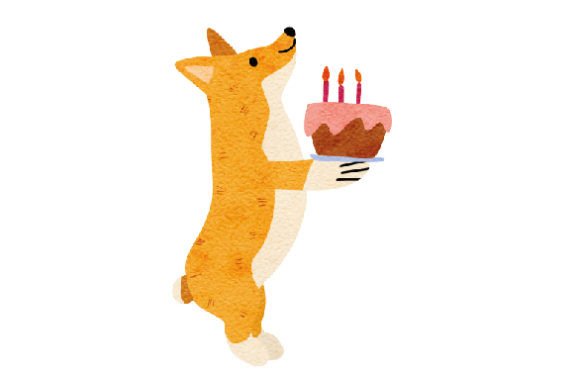
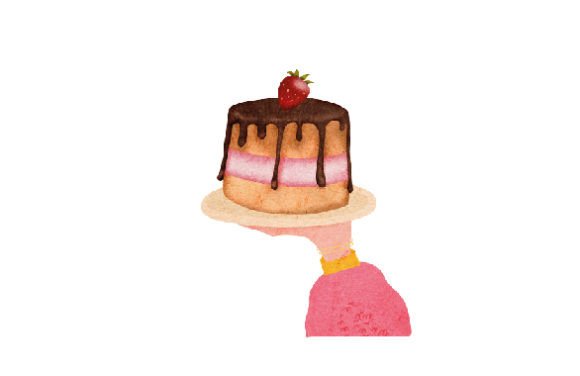
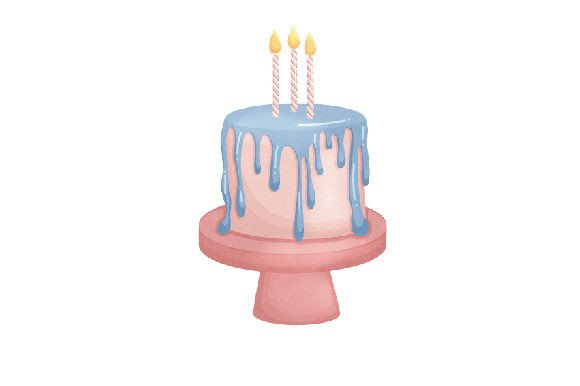
The digital artwork for Birthday Cake, Watercolor suggests a soft, nostalgic aesthetic that differs significantly from standard cartoon cake designs. Instead of harsh outlines and flat fills, this design relies on blending and shading to create depth. My first impression was that it feels organic and handmade rather than mass-produced. This visual personality makes it an excellent candidate for boutique items where customers value artistry over generic clip art. However, translating that painterly effect into stitches requires careful observation. The design uses varying fill stitch directions and overlapping thread colors to mimic brush strokes. On screen, it looks beautiful; on the hoop, it demands respect for proper stabilization to prevent the "watercolor" effect from turning into a puckered mess.
Real-World Test: Custom Linen Tea Towels
To truly evaluate this embroidery file, I needed a scenario that tested both its durability and its aesthetic appeal. I chose to stitch it out on a high-quality linen tea towel intended as a personalized birthday gift for a client who loves vintage kitchenware. Linen is textured and can be unforgiving with dense designs, making it the perfect stress test.
The stitching process revealed that the Birthday Cake, Watercolor design is surprisingly well-digitized for a complex style. The transition areas between colors were smooth, avoiding the jagged edges that often plague watercolor-style digital embroidery files. On the finished product, the cake looked dimensional and soft against the natural linen weave. My client’s reaction confirmed what I suspected: this isn't just a graphic; it’s a piece of textile art. For Etsy sellers or small shop product creators, this level of perceived value is crucial. It elevates a simple kitchen towel from a basic utility item to a keepsake personalized gift.
Best Applications for Commercial and Personal Use
Based on this stitch-out, I see specific niches where this design will thrive. Because of its softer palette and artistic rendering, it is ideal for:
- Baby Embroidery: The gentle tones and lack of aggressive saturation make it perfect for nursery decor, baby blankets, or milestone bibs where harsh primary colors might clash with modern parenting aesthetics.
- Tote Bag Design: Canvas tote bags provide a stable base for the stitch density required by watercolor effects. The design reads clearly from a distance while retaining detail up close.
- Sweatshirt Embroidery: Placed on the chest or sleeve of a cream or pastel sweatshirt, this design appeals to the adult birthday market looking for subtle, cozy apparel rather than loud party gear.
- Holiday Embroidery: While themed for birthdays, the classic cake illustration works year-round for celebration-themed merchandise in craft businesses.
For those selling design assets or finished goods, this versatility means you can use one embroidery project file across multiple seasonal listings without it feeling repetitive.
Where to Proceed with Caution
No design is universal, and Birthday Cake, Watercolor has limitations that makers must acknowledge. During my review, I noted several scenarios where I would hesitate to use this file without significant modification or testing.
Stretchy Fabrics: The watercolor effect relies on precise color placement. On highly stretchy knits like jersey or spandex, even with heavy stabilizer, the registration can shift slightly. If the layers don't align perfectly, the painterly illusion breaks, and the design looks muddy. I recommend avoiding this design for fitted t-shirts unless you are confident in your hooping technique.
Dark Fabrics: Watercolor embroidery typically assumes a light background to act as the "white" in the painting. Stitching this on black or navy fabric will likely result in lost details and poor contrast. Unless the file includes a specific white underlay base meant for dark garments, stick to white, cream, or pastel backgrounds to maintain visual clarity.
Curved Surfaces: I would avoid using this on structured caps. The curvature of a hat distorts the flat plane necessary for the shading gradients to render correctly. Flat surfaces like pillow covers, aprons, and patches are far safer bets.
Small Hoop Sizes: Reducing this design too much is risky. Watercolor styles often contain tiny blending stitches. If scaled down below 4x4 inches (always check the specific digitizer's notes), these details may get lost or cause thread breaks. Always verify the minimum size before resizing.
Professional Designer Notes for Success
If you plan to add Birthday Cake, Watercolor to your production lineup, treat it as a premium asset. Here are my practical recommendations for ensuring a professional finished product:
- Test on Scrap Fabric First: Never run this design directly on a final product without a test stitch-out. Use a scrap of the exact material and stabilizer combination you intend to sell. Check if the texture matches the digital preview.
- Evaluate Thread Colors: Watercolor designs depend heavily on specific shade variations. Substituting threads can flatten the image. If you must swap colors, do so in groups to maintain the gradient logic. Test your substitutions in natural lighting.
- Check Stabilizer Weight: Because of the layered stitching, this design may be denser than standard line art. Use a cut-away stabilizer for apparel and a medium-weight tear-away for woven home goods. Floating the fabric might be necessary for textured linens to preserve the surface feel.
- Mockup Verification: Before listing a new product, create a printable mockup using photos of your actual stitch-out, not just digital renders. Customers trust handmade products more when they can see real thread texture. Show close-ups of the shading to demonstrate quality.
- Licensing Compliance: Whether you are an Etsy seller, a boutique owner, or a hobbyist, always confirm the licensing terms included with the embroidery file. Ensure you have commercial rights if you plan to sell physical items featuring Birthday Cake, Watercolor. Never resell the digital file itself unless explicitly permitted.
Final Verdict on Value and Appeal
Ultimately, Birthday Cake, Watercolor succeeds because it bridges the gap between traditional needlework and modern digital convenience. It offers the charm of hand-painted art with the reproducibility of machine embroidery. For creative entrepreneurs and makers, this design represents a strong opportunity to differentiate products in a saturated market. It avoids the cheap, plastic look of low-effort digitizing and instead offers a sophisticated option for custom apparel and gifts.
However, success depends on execution. This is not a "set it and forget it" file; it is a design that rewards patience and proper technique. When stitched correctly on appropriate fabrics, it delivers a high-end result that justifies a higher price point and builds customer trust. Just remember to respect the technical requirements of the watercolor style, and this design will be a reliable staple in your birthday collection for years to come.