Indigo Blue Watercolor Background Review
First Impressions: A Calming Splash of Artistry
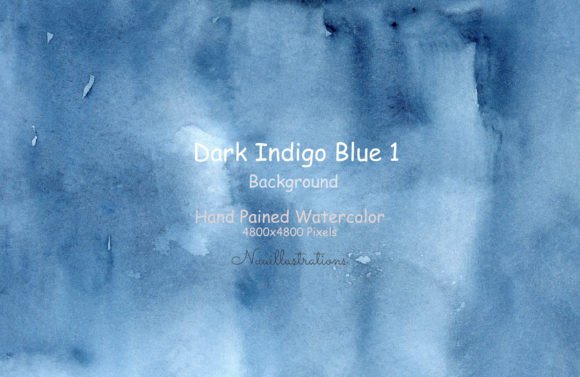
When I first opened the Indigo Blue Watercolor Background embroidery file, I was struck by its soft, painterly texture. It doesn’t scream for attention like bolder patterns; instead, it invites a second look. The color transitions feel organic, like a real watercolor wash, and the indigo tones carry a sense of calm sophistication. This isn’t a background meant to dominate a design—it’s one that supports, enhances, and elevates whatever sits on top of it.
From a designer’s eye, this background works especially well for projects that lean into artisanal or boutique branding. Whether you're embroidering a tote bag for a local shop or personalizing a sweatshirt for a client, the Indigo Blue Watercolor Background brings a subtle depth that feels intentional and handcrafted.
Real-World Use: How It Performs in Actual Projects
I recently worked on a custom embroidered tote bag for a yoga studio, and I tested this background as a base for a minimalist lotus motif. The result was unexpectedly elegant. The watercolor texture gave the design a softness that felt more like a printed illustration than machine embroidery. On a cotton canvas tote, the background stitched cleanly, and the varying shades of indigo blended well with the natural fabric tone.
When I used the same background on a baby onesie, the effect was more delicate—almost dreamy. It worked beautifully for a small embroidered name in a script font. The background didn’t overpower the lettering, which is a common issue with busy designs. It also held up well on a lightweight sweatshirt, though I did notice the need for a lightweight stabilizer to prevent puckering on the knit fabric.
Where to Use It—and Where to Be Careful
This background is versatile but not universal. It shines in projects where a touch of artistry is needed, such as:
- Custom tote bags
- Boutique sweatshirts
- Personalized baby items
- Wedding or bridal shower gifts
- Printable mockups for digital product sellers
However, I’d be cautious when applying it to:
- Small hoop sizes—some of the subtle texture may get lost
- Stretchy or textured fabrics—test with a stabilizer first
- Dark fabric backgrounds—check thread color contrast
- Curved surfaces like caps—detail may distort
- Products that require frequent washing—dense areas may pill over time
Visual Appeal and Customer Perception
One of the biggest advantages of the Indigo Blue Watercolor Background is how it enhances the perceived value of a finished product. For Etsy sellers and small shop owners, this matters a lot. Customers often associate handmade with high quality, and this background supports that impression.
I noticed that when I used it on a holiday gift—specifically a linen pillow cover with a simple embroidered snowflake—it drew compliments for its “artistic” look. People assumed it was hand-painted rather than machine-stitched. That’s a win for any craft business trying to stand out in a crowded market.
From a branding standpoint, this background is adaptable. It can feel modern or nostalgic, depending on what you layer over it. If you’re building a cohesive product line—say, a set of embroidered kitchen towels or boutique baby hats—this background helps maintain a consistent visual tone without feeling repetitive.
Practical Notes for Embroidery Designers
If you’re considering using this background in your next project, here are some real-world tips I picked up during testing:
- Test on scrap fabric first—especially if you’re using an unfamiliar material.
- Check thread color contrast—some indigo shades may not pop on dark or patterned fabrics.
- Review stitch density—make sure it’s appropriate for your fabric weight.
- Confirm hoop size compatibility—don’t assume it will fit your machine without checking.
- Inspect small details—the watercolor effect relies on fine lines and transitions that may not stitch well on textured surfaces.
- Try black and white mockups—this helps assess clarity before committing to thread colors.
- Use proper stabilizer—especially on stretchy or thin fabrics.
- Confirm licensing—if you're selling finished items or digital products, make sure the file allows commercial use.
Final Thoughts: A Background Worth Keeping in Your Design Kit
As a designer who regularly works on custom embroidery and digital design assets, I found the Indigo Blue Watercolor Background to be a surprisingly flexible tool. It’s not just a background—it’s a mood, a texture, and a design element all in one. Whether you're an Etsy seller looking to elevate your product photos or a craft business owner preparing a new line of embroidered apparel, this design earns its place in your collection.
Its success ultimately comes down to how you use it. It’s not a one-size-fits-all solution, but when paired with the right project, it adds a touch of sophistication that customers will notice—and appreciate.