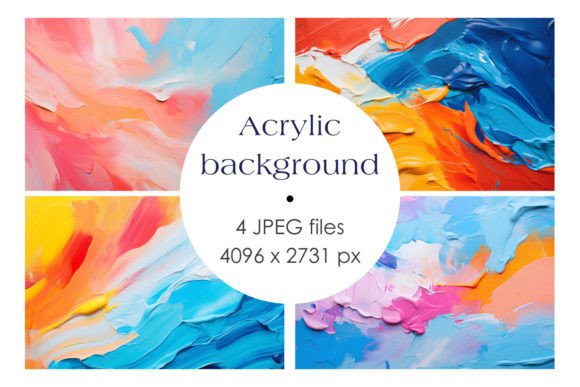
Acrylic Colorful Background: A Designer’s Real-Use Review
First Impressions: A Splash of Joy in Every Stitch
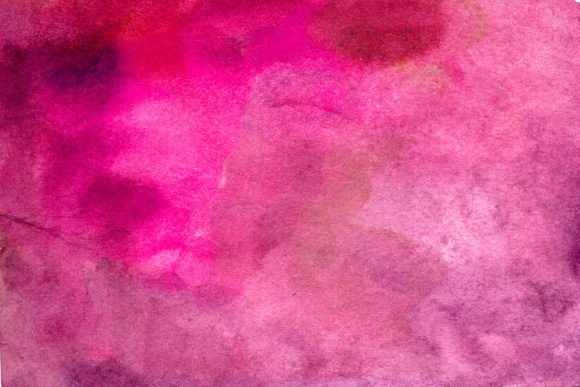
The moment I opened the preview of Acrylic Colorful Background, I was struck by its cheerful, painterly vibe. It doesn’t scream “design,” it whispers “art.” The layout feels organic, like a spontaneous splash of paint across a canvas — but with enough structure to translate well into machine embroidery. The color transitions are soft yet bold, and the abstract nature of the background makes it feel versatile. It immediately made me think of tote bags, nursery pillows, and embroidered patches for boutique apparel — items that benefit from a touch of handmade whimsy.
Real-World Use: From Sweatshirts to Baby Onesies
I tested the Acrylic Colorful Background on a few different fabric types to see how it would perform in real-life embroidery situations. On a medium-weight cotton tote bag, it stitched out beautifully — the fill stitches laid down smoothly, and the color blending gave the piece a high-end, custom feel. It would make a perfect backdrop for a monogram or a small embroidered logo on a boutique product.
When I tried it on a baby onesie, the texture of the fabric slightly softened the visual impact, but the design still held up. The satin stitch outlines were clean, and the density wasn’t too heavy to cause puckering. For Etsy sellers or small craft businesses, this would be a great option for personalized baby gifts — just pair it with a name or birthdate and you’ve got a standout item.
On a dark sweatshirt, the background really popped — especially the lighter tones. I made sure to use a medium-weight stabilizer and a topper, which helped the stitches lie flat and even. This is definitely a design that can elevate a basic sweatshirt into a boutique-level handmade product.
Where to Use It Carefully: Fabric and Fit Matter
While the Acrylic Colorful Background is vibrant and dynamic, it does have some nuances that require attention. On thinner or stretchy fabrics like jersey knit or lightweight linen, the stitch density can cause some pulling or distortion. I noticed this most in the corners of the design area, where the fill stitches were denser. For these fabrics, I’d recommend using a lightweight cutaway stabilizer and perhaps adjusting the tension slightly.
It’s also not ideal for very small hoop sizes. The abstract nature of the design relies on having enough space to breathe. Shrinking it down for a cap or a curved surface like a baseball hat might compromise the visual effect. If you’re planning to use this on a patch or a curved item, test it on a mock-up first to ensure the colors and stitch flow remain cohesive.
Dark fabrics can enhance the vibrancy of the design, but be cautious with thread color contrast. Some of the lighter tones may not stand out as clearly on black or navy garments. I found that adjusting the thread shades slightly or adding a small satin border helped maintain clarity.
Visual Impact: Elevating the Finished Product
One of the strongest points of the Acrylic Colorful Background is its ability to elevate a simple product into something visually engaging. Whether it’s on a custom tote or a personalized sweatshirt, the background gives the impression of a more complex, hand-painted design — without the embroidery file being overly complicated.
For small business owners and Etsy sellers, this kind of design can increase product value. It adds a layer of sophistication that customers associate with premium handmade items. I can see it being especially popular in seasonal listings — think holiday-themed embroidered tea towels or baby shower gifts with a soft, colorful backdrop.
From a branding standpoint, the design’s abstract nature makes it adaptable. It works equally well for a playful children’s line or a more modern, minimalist boutique collection. The key is to pair it with complementary fonts or simple line art to maintain visual harmony.
Designer Notes: Practical Tips for Real Embroidery Use
- Test on scrap fabric first — especially if you’re using a new fabric type or stabilizer.
- Check thread color contrast carefully, particularly on dark or textured materials.
- Review stitch density if you're using stretchy or thin fabrics to avoid puckering.
- Confirm hoop size compatibility — don’t assume it will scale down well for small projects.
- Inspect small details like edges and transitions to ensure they stitch cleanly.
- Test in black and white mockups to see how the design translates without color.
- Compare light and dark fabric backgrounds to see where the design shines best.
- Use proper stabilizer based on the garment — especially for stretchy or textured fabrics.
- Check licensing terms before selling finished items or digital embroidery files.
Final Thoughts: A Versatile Addition to Your Embroidery Kit
The Acrylic Colorful Background isn’t just another texture design — it’s a flexible, expressive asset that can enhance a wide range of embroidery projects. Whether you’re a digital product seller, an apparel decorator, or a craft entrepreneur, this design has the potential to become a go-to element in your creative toolkit.
It’s especially useful for those who want to add a modern, artistic touch to their handmade products without overcomplicating the embroidery process. Just remember to test it thoroughly and pair it with complementary design elements for the best results.
If you’re looking for a background that feels both fresh and functional, Acrylic Colorful Background is worth the investment — especially if you're creating custom, personalized, or boutique-level items that need to stand out in a crowded market.